
Wishing someone a good vacation in writing often turns into a copy-paste of pre-made phrases. The result: a message skimmed over and forgotten before takeoff. Texts that leave a mark share some measurable traits – conciseness, personalized reference, a balance between humor and sincerity. Here are twenty concrete formulations, categorized by tone and context of sending.
1. The fake personalized weather report
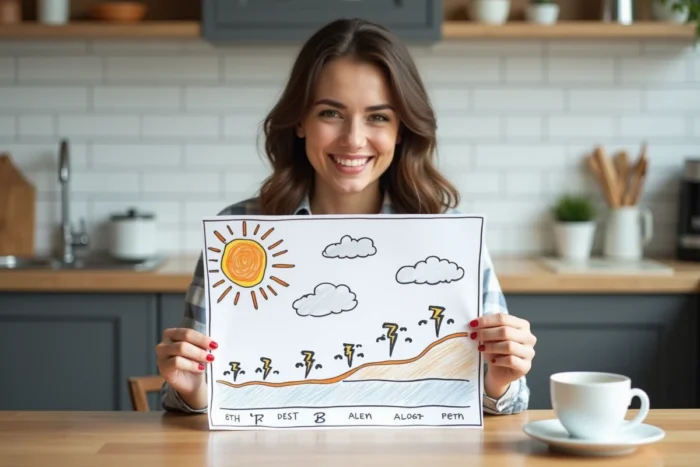
“Forecast for your vacation: permanent sunshine on your mood, zero risk of meetings, stable mojito temperature at 4 °C. Have a great trip.” This format subverts a familiar genre and works equally well via SMS or on a card.
The effect relies on the contrast between the official tone and the absurd content. Personalize the “geographical area” with the recipient’s actual destination to enhance the impact.
2. The message of assumed digital disconnection

“May your only screen be that of the sunset. Airplane mode activated, brain in freewheel, voicemail set to ‘I don’t care’.” This approach, which explicitly mentions mental overload and the right to disconnect, corresponds to a text to wish a good vacation with humor while addressing a deeper issue.
This tone works particularly well for colleagues or friends at the end of an intense period. The “permission to do nothing” aspect resonates with current concerns about burnout.
3. The fake safety instructions list
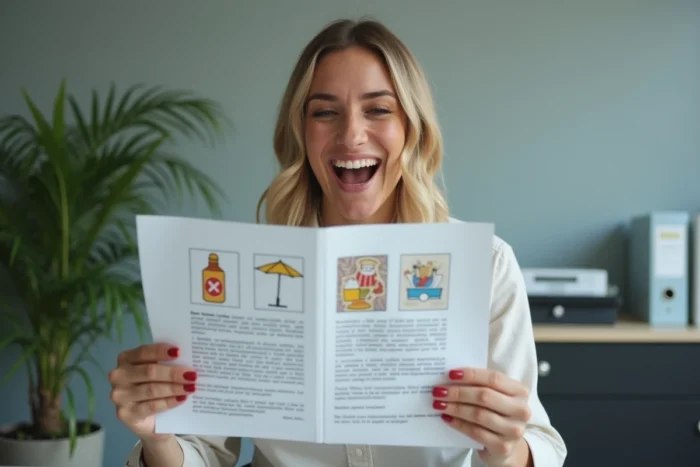
“Instruction #1: fasten your hammock seatbelt. Instruction #2: in case of stress, apply sunscreen. Instruction #3: all emergency exits lead to the beach bar.” The parody of the airplane announcement creates an immediate comedic effect.
This format works well for group cards at the office. Each “instruction” can be personalized according to the person’s habits.
4. The dramatized absence story at the office

“Since your departure, the coffee machine is crying, the photocopier refuses to work, and no one knows where the Post-its are. Come back soon, but not too soon.” The humor relies on the exaggeration of the impact of absence.
This tone suits relaxed professional relationships. It values the person without falling into flattery.
5. The summer non-aggression pact

“I solemnly pledge not to send you any photos of my desk during your vacation if you spare me the palm tree selfies. Deal?” The parodied contractual format elicits smiles and creates complicity.
6. The absurd cascading wish
“I wish you free loungers, suitcases that close on the first try, free Wi-Fi that you won’t use, and a traffic-free return.” The growing enumeration structure works like a mini sketch. Each wish gains absurdity, keeping the reading engaging.
7. The twist on a well-known proverb
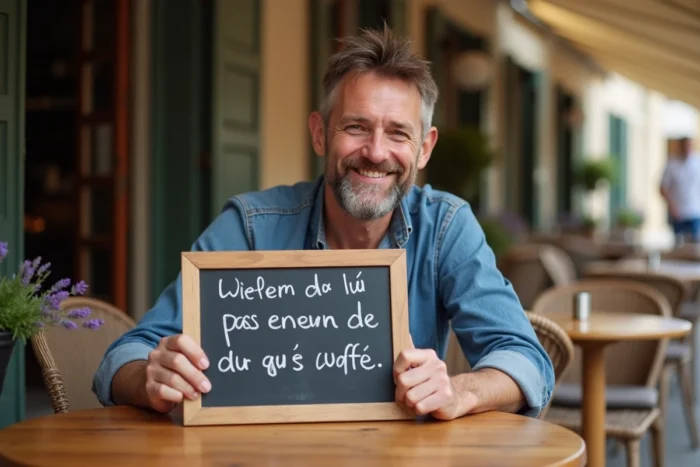
“He who sleeps dines, but he who tans does not work. Apply this ancient wisdom for two weeks.” Taking an existing proverb and twisting it towards laziness results in a short and memorable message.
The brevity of the format – three to six lines maximum – corresponds to SMS and instant messaging usage.
8. The sincere professional recognition message

“You’ve held the fort these past few months like no one else. Disconnect for real, the office will survive (probably).” This tone mixes recognition of the workload with a light final touch. Acknowledging overwork before the holidays transforms a simple wish into a gesture of consideration.
9. The fake out-of-office for the recipient
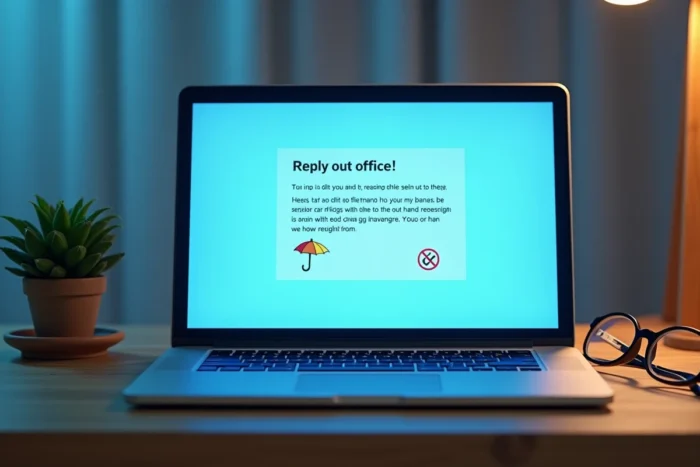
“I’m taking the liberty of writing your out-of-office reply: Hello, I am currently busy doing nothing. Please try again in September.” Writing the absence message for the other person flips the usual dynamic and surprises.
10. The anticipated postcard
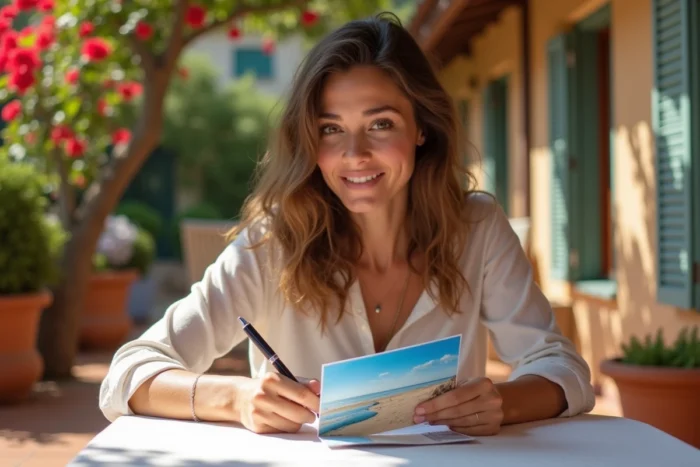
“Pre-dated postcard: Dear myself, the weather is beautiful, the food excellent, and I’m not thinking about anything. Signed: you in three days.” The time shift creates a comedic effect. The recipient directly projects themselves into their vacation.
11. The fictional priority ranking
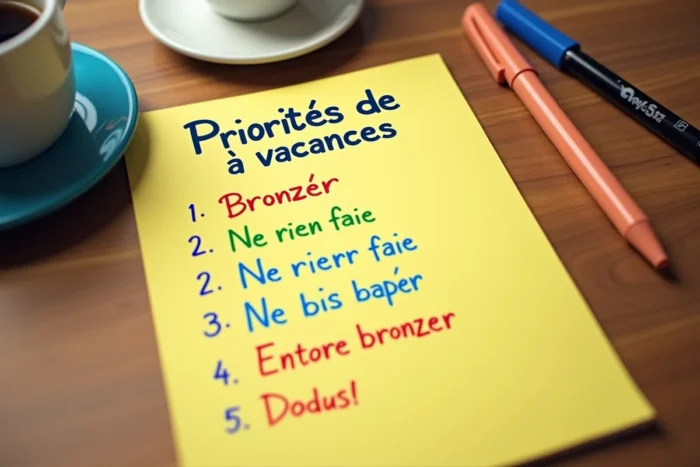
“Official program for your vacation: 1. Sleep. 2. Eat. 3. Repeat. Cultural activities are optional, sleeping in is mandatory.” The numbered list subverts the structure, giving a falsely organized framework to the assumed laziness.
12. The SMS in three sentences maximum
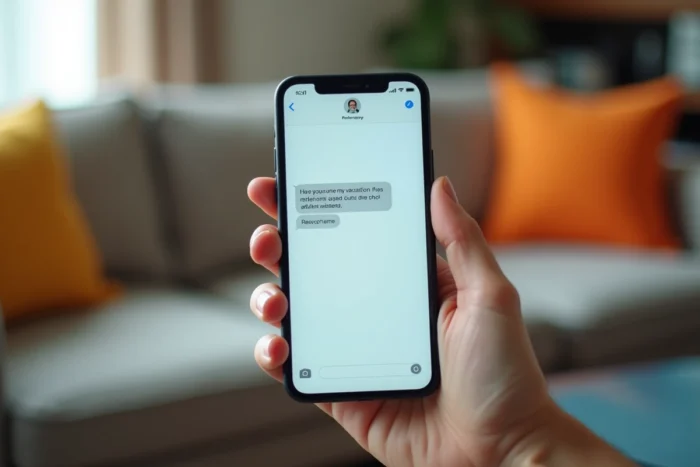
“Suitcase packed. Brain unplugged. Have a great vacation, you deserve it.” Conciseness works better than long paragraphs on a phone screen. Three short sentences are enough for a striking SMS.
13. The comedic reminder of classic forgetfulness
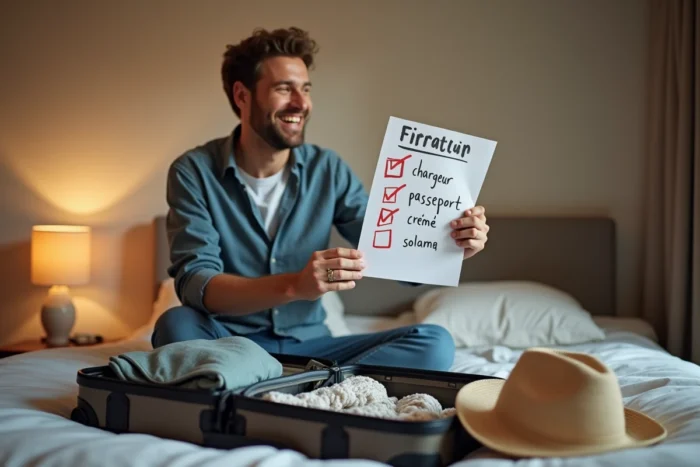
“Check-list before departure: passport, sunscreen, charger, good mood. If you forget the first three, the good mood will compensate (not).” The humor comes from the false optimism in decline.
14. The message version of a geographical pun
“May these vacations be Nice for you! Or Brest, or Marseille, it doesn’t matter, as long as you enjoy it.” The geographical pun works better when the actual destination is known. Adapt the pun to the vacation spot for a personalized and memorable message.
15. The wish for the one who is not going
“No need for a plane ticket for a successful vacation. Sleeping in, binge-watching series, and no alarms: that’s already luxury.” This text avoids the classic trap of projecting a beach fantasy onto someone staying home. Adapting the message to the recipient’s reality changes everything.
16. The four-line office poem
“The files can wait, the screen can turn off. The sun knows no deadlines. Go enjoy, we’ll manage the shop. Well, we’ll try.” Four rhymed or rhythmic lines fit easily on a collective card signed by the team.
17. The twisted quote from a famous author
“As almost Confucius said: choose a deckchair you love and you will never have to work a single day of your vacation.” The “almost” signals the parody and avoids any erroneous attribution. The format works with any well-known thinker.
18. The collective WhatsApp group message
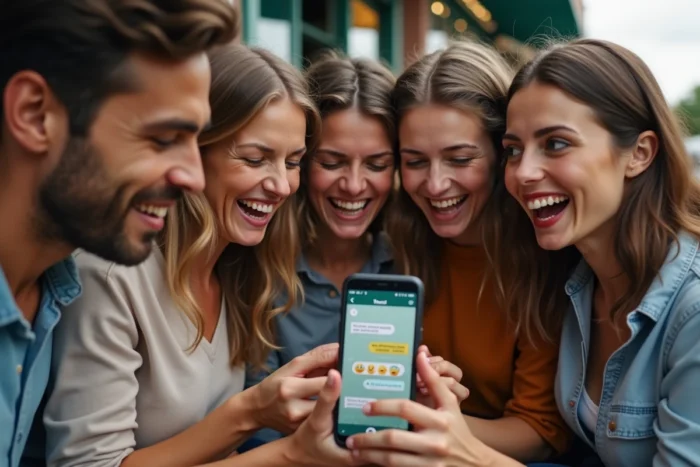
“Official group message: [First Name] is on vacation. Formal prohibition to add them to another group for two weeks. Thank you for your cooperation.” Posting this text in the group chat creates a comedic public announcement effect.
19. The nostalgic backward text

“In two weeks, you will regret this moment when everything was still ahead of you. So enjoy now, future you will thank you.” The projection towards the return, tinged with gentle humor, adds an emotional dimension without excessive sentimentality.
20. The minimalist wish in one word (or almost)
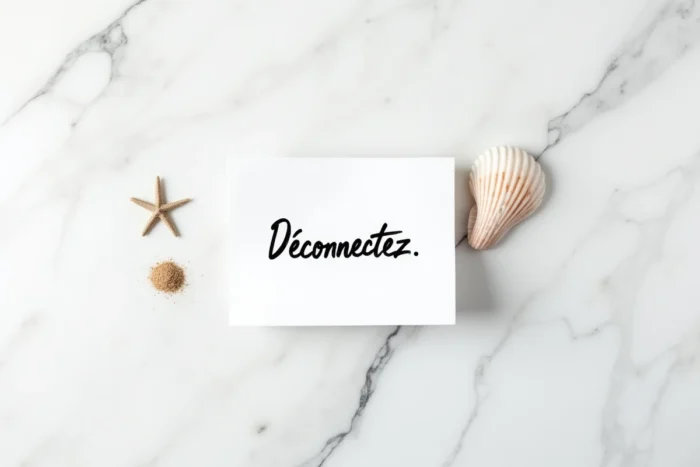
“Disconnect.” Sometimes, a single word is enough. Sent alone via SMS, this message produces a surprising effect due to its radical brevity. It works with close people who don’t need a long speech.
The tone and length of a message matter as much as its content. A short and targeted text leaves a stronger impression than a generic paragraph copied online. Personalizing the message according to the recipient and context remains the only criterion that separates a forgettable phrase from a memory cherished long after returning from vacation.