
The French real estate market in 2026 is characterized by a reconfiguration of prices, stabilized credit conditions after the decline that began in 2024, and an increasing importance of energy performance diagnostics in property valuation. Before any housing purchase, understanding these mechanisms allows for a trade-off between location, type of property, and holding period.
Energy Performance Certificate and the depreciation of energy-inefficient homes: a structural price filter
Energy performance is no longer just an informative indicator. Homes classified F or G in the Energy Performance Certificate (DPE) now suffer a depreciation of between 15% and 25% compared to better-rated properties, depending on the type and location. This range, documented by LeCoinPatrimoine in its 2026 market overview, reflects a lasting change.
For an investor, this depreciation represents two opposing interpretations. Buying a poorly rated property at a reduced price may seem attractive, but the necessary energy renovation work to at least reach class D increases the overall budget. Conversely, a property that is already efficient (class A, B, or C) retains its value better upon resale and attracts tenants more easily.
Before signing, it is relevant to consult frenchhome.fr for real estate to compare available offers and identify price discrepancies related to energy classification in the targeted area.
A common trap is underestimating the cost of renovation work. A detailed quote before the sales agreement, prepared by a certified contractor (RGE), remains the only reliable way to assess whether the depreciation truly compensates for the necessary upgrades.
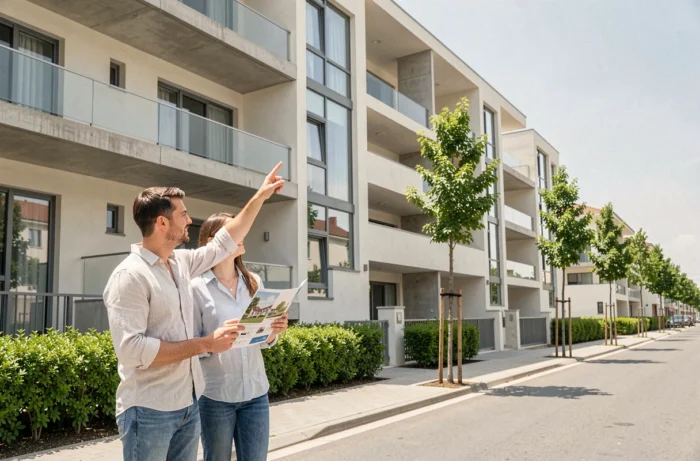
First-time buyers and expanded zero-interest loans: a buying window in 2026
About 41% of transactions in the second quarter of 2026 are signed by first-time buyers, a level not seen since 2021. This figure, reported by Agence-Immobilière-France in its 2026 back-to-school report, directly reflects the expansion of the zero-interest loan (PTZ) that took place at the beginning of the year.
The PTZ allows for financing part of the purchase without interest, which reduces the total cost of the loan over time. Its expansion has opened access to households that, just a few months earlier, did not meet the income or location requirements.
What the PTZ concretely changes in financing
A PTZ never covers the entire price. It complements a traditional main loan. The real advantage is measured on the overall monthly payment: the interest-free portion reduces the monthly burden and improves the debt ratio presented to the bank.
To benefit from it, the property must meet certain criteria (new or old with renovations depending on the geographical area), and the buyer must not have owned their primary residence in the last two years. Checking eligibility before searching for a home avoids committing to a project that cannot be financed under these conditions.
Stabilized mortgage rates: reading beyond the displayed figure
After the decline in rates that began in 2024, conditions stabilized in 2025 and remain at levels considered attractive. Banks remain open to granting mortgage loans, which facilitates access to financing for solid profiles.
A low nominal rate does not summarize the real cost of a loan. Three elements significantly alter the final bill:
- Borrower insurance, which can represent up to a third of the total loan cost depending on the health profile and age of the borrower. Comparing several insurers (insurance delegation) remains an underutilized lever.
- Guarantee fees (mortgage or surety), the amount of which varies depending on the chosen organization and the amount borrowed.
- Early repayment penalties, to be negotiated at the time of signing if partial or total repayment is considered in the early years.
The nominal rate is not enough to compare two loan offers: the APR (annual percentage rate), which includes all additional fees, provides a more accurate picture of the real cost.

Rental profitability: calculate before buying, not after
The gross profitability of a rental investment is calculated by dividing the annual rent by the purchase price (including notary fees). This ratio, expressed as a percentage, provides an initial filter. But it masks the net profitability, the only usable data for a purchase decision.
Net profitability deducts from the rent the non-recoverable charges, property tax, management fees (if delegated), non-occupant owner insurance, and any potential vacancy periods. In some tight urban markets, vacancy remains low. In medium-sized cities or suburban areas, it can reach several weeks per year and notably reduce actual profitability.
Property management: the cost of delegation
Entrusting management to an agency generally represents a percentage of the collected rent. This predictable and fixed cost secures the owner against unpaid rents (depending on the chosen mandate) and frees up time. Managing oneself allows saving this commission but requires mastering lease regulations, mandatory diagnostics, and procedures in case of disputes.
A profitable rental investment is built on cautious assumptions, not on the best possible scenario. Including one month of vacancy per year and a regular maintenance budget in the forecast protects against unpleasant surprises.
Inflation, noted as a factor to watch in 2026, can play both ways: it revalues rents indexed to the IRL, but it also weighs on tenants’ purchasing power and the cost of materials in case of renovation. Keeping a cash reserve available remains the best assurance against these variables.